Cart
0
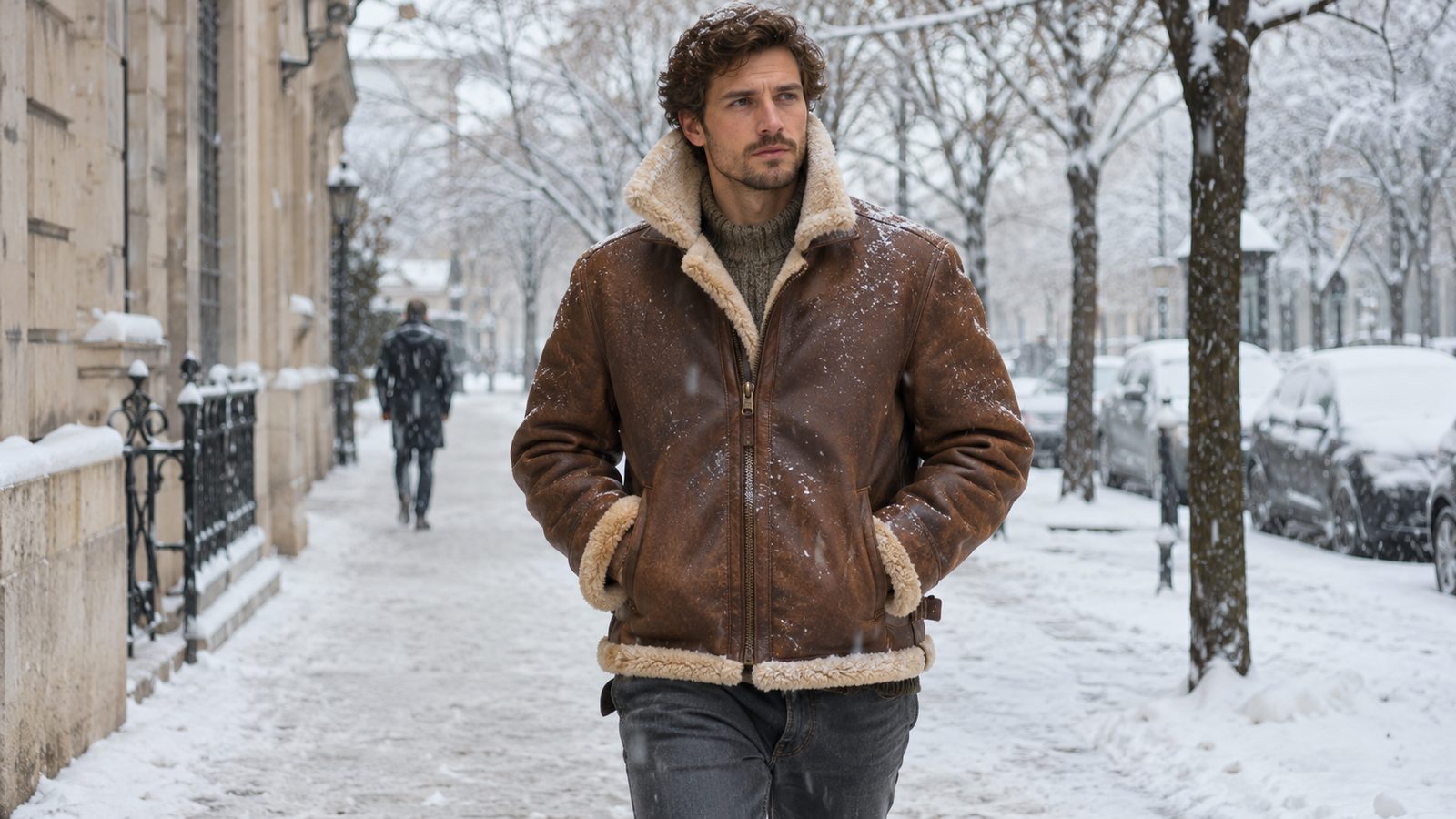
Leather blocks wind very well, but leather on its own does not hold much heat. Whether a leather jacket keeps you warm in winter depends mostly on what is inside it: the lining, the fit and what you wear underneath. Here is how to choose a leather jacket that actually works in the cold.
The short answer
- Unlined or thin-lined leather jacket: good for cool autumn and spring days. On its own it is usually not enough for a cold winter.
- Quilted or padded lining: warmer, and works for mild winters, especially with a sweater underneath.
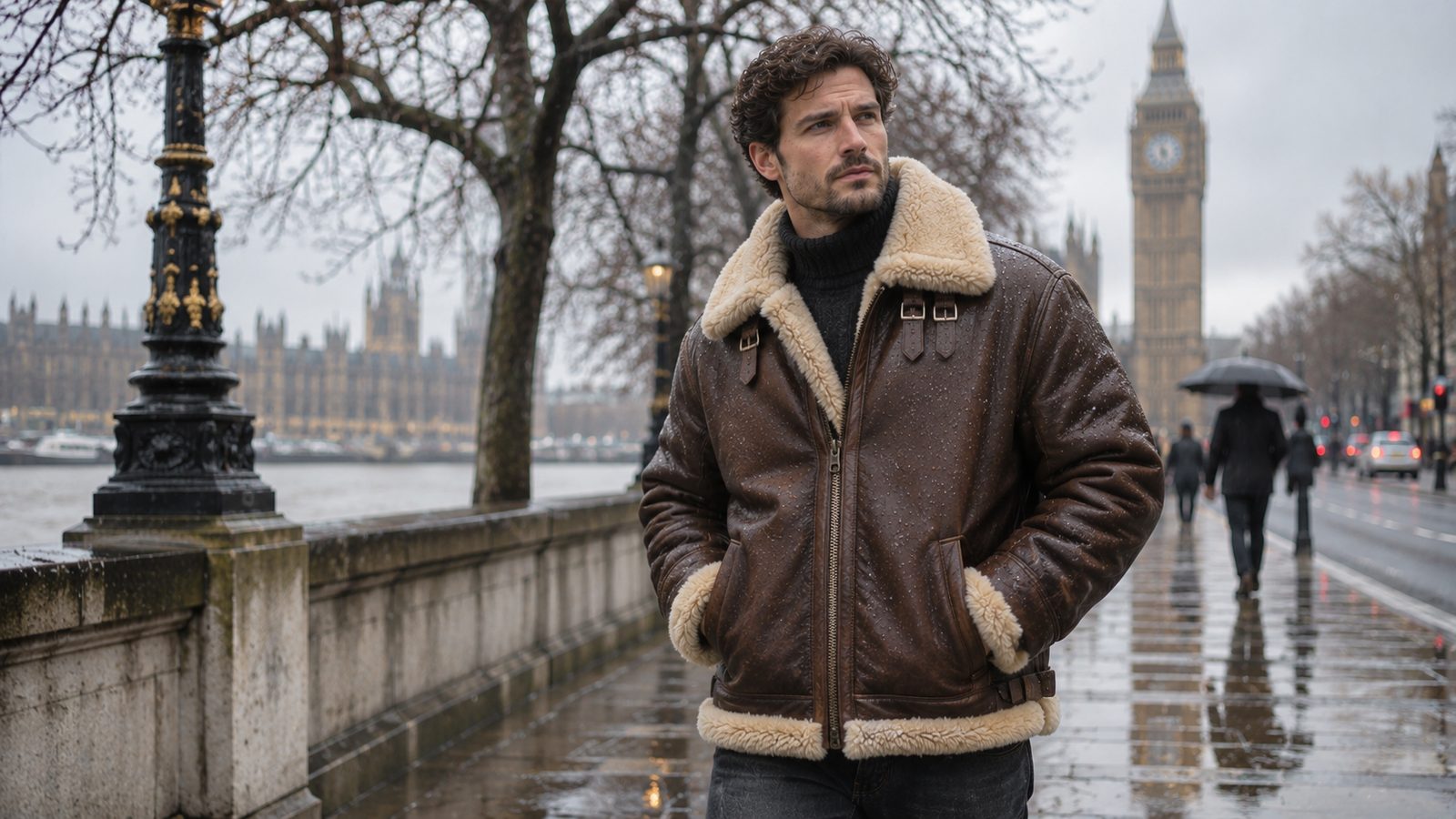
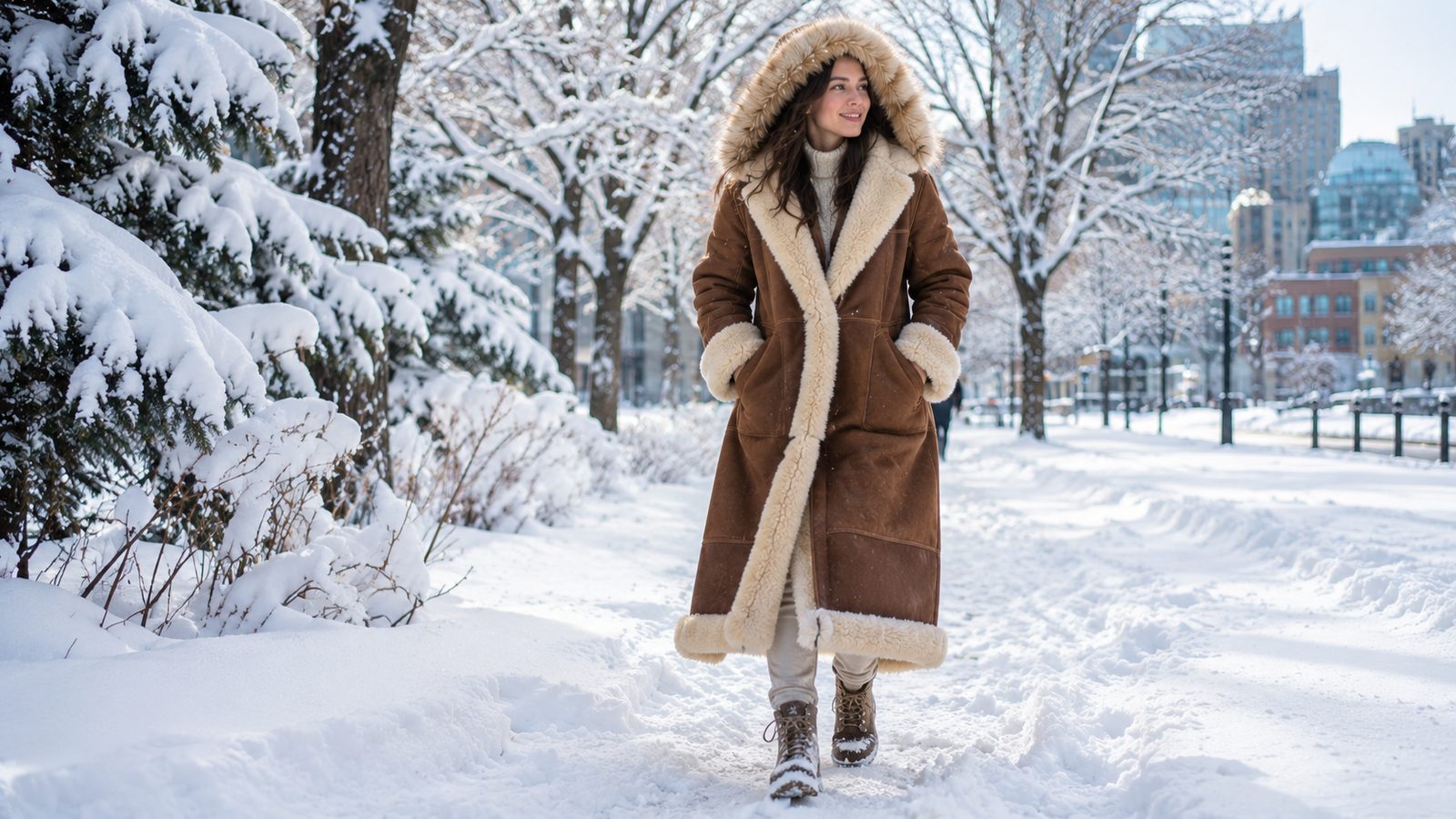
- Shearling or sheepskin: the warmest choice. The natural wool lining traps body heat and is built for real winter cold.
Why leather helps in winter
Cold wind takes heat away from your body fast. Leather is dense and stops most of that wind, which is why bikers and pilots have worn it for decades. Leather also sheds light snow and drizzle better than wool or cotton coats. What leather does not do well by itself is insulate, which is why the lining matters so much.
Which lining is warmest?
Shearling and sheepskin
Shearling is sheepskin with the wool left on. The wool sits against your body and holds a layer of warm air, while the leather outside blocks the wind. It also breathes, so you stay warm without getting clammy. If you live somewhere with long, cold winters, this is the type to look at first. See our winter leather jackets and shearling coats.
Faux fur and fur collars
A fur or faux fur collar keeps the wind off your neck, one of the places you lose the most heat. Fur-lined hoods add even more protection.
Quilted and padded linings
Quilted linings and leather puffer jackets add insulation without as much bulk as shearling. They are a good middle ground for cold but not freezing days.
Thin satin or cotton linings
These linings feel smooth and make a jacket easy to put on, but add very little warmth. Treat these jackets as three-season pieces, or layer up underneath.
How to wear a leather jacket in the cold
- Layer underneath. A thermal top, a knit sweater or a thin down vest adds a lot of warmth under a leather jacket.
- Close the gaps. A scarf, gloves and a hat stop heat escaping at the neck, hands and head.
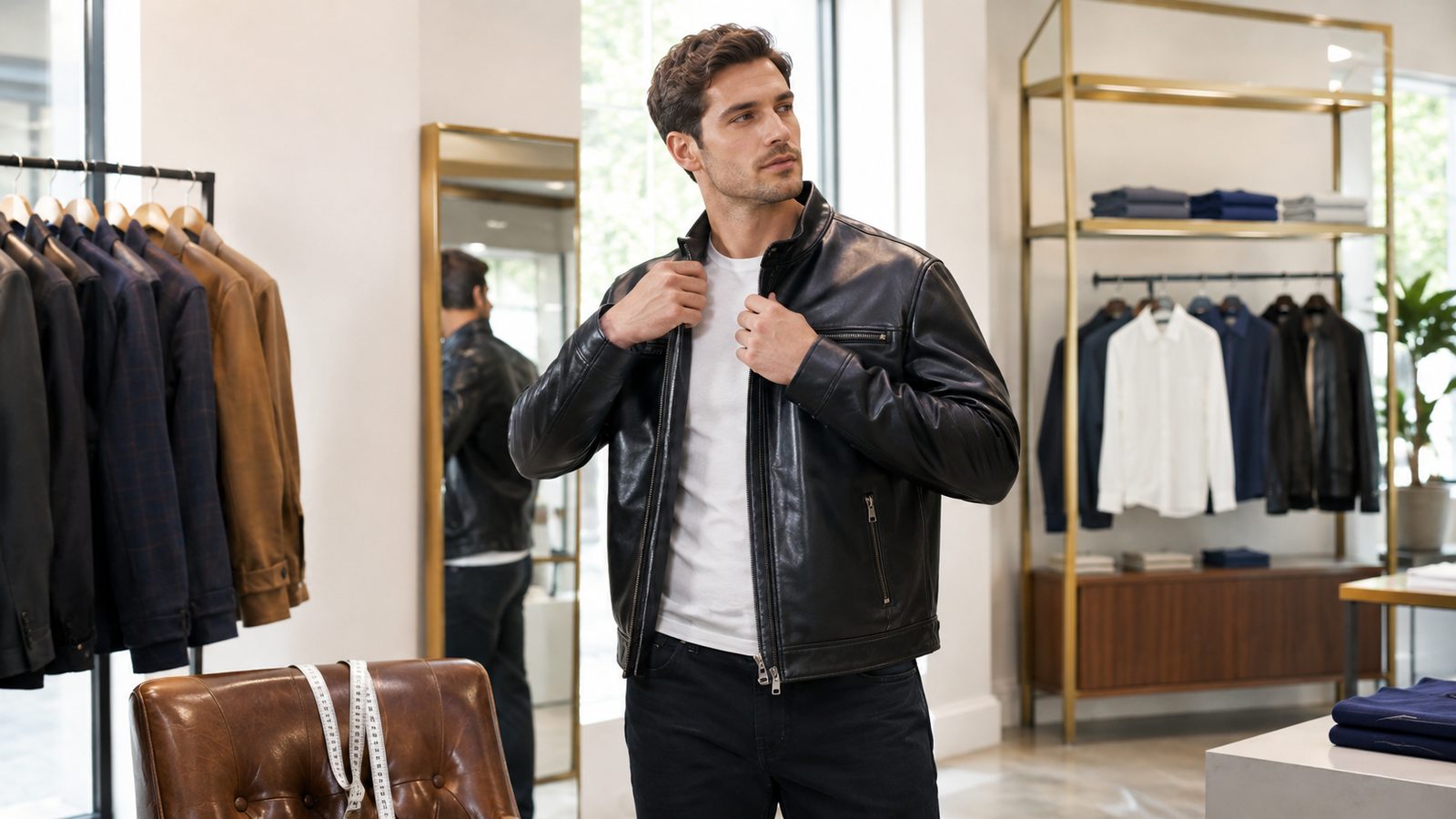
- Get the fit right. The jacket should be close enough to block drafts but leave room for a layer. If you plan to wear a thick sweater, consider one size up, and remember that shearling linings take up space inside the jacket. Our size guide shows how to measure.
- Choose a longer cut for very cold days. A coat or longer jacket that covers your hips keeps more of your body warm than a short moto jacket.
Leather in snow and rain
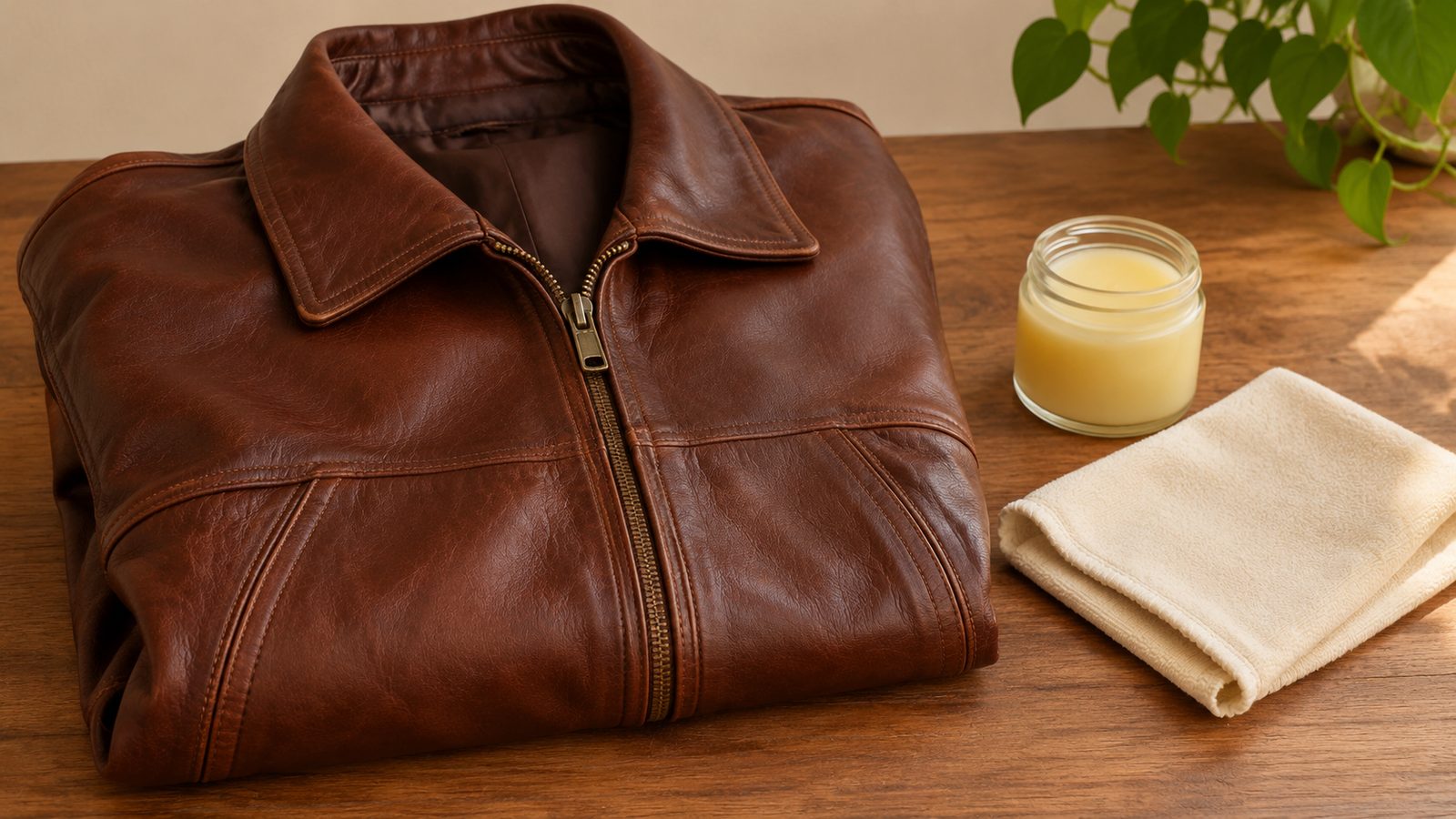
Leather handles light snow and short showers. If your jacket gets wet, wipe off the water and let it dry slowly at room temperature, away from radiators and heaters. Fast drying makes leather stiff. Salt and slush can mark leather, so wipe it clean after a day out. A leather conditioner once or twice a season keeps it soft through the winter.
Which style should you choose?
- Very cold winters (snow and freezing temperatures for months): a shearling or sheepskin jacket or coat, ideally with a fur collar or hood.
- Cold, damp winters with wind and rain: a shearling-lined aviator or a quilted leather jacket, worn with a sweater.
- Mild winters: a lined bomber or biker jacket with a warm layer underneath.
Ready for the cold? Browse our winter leather jackets, or shop all men’s and women’s leather jackets.